UX Research & User Studies
Using interviews, surveys, usability studies, and other user-centred methods to understand needs, behaviours, experiences, and interaction barriers.
I study how people interact with digital technologies and how these experiences can be made more intuitive, inclusive, and meaningful.
My work brings together human-centered research and design perspectives, with a particular focus on educational and public-interest technologies.
Using interviews, surveys, usability studies, and other user-centred methods to understand needs, behaviours, experiences, and interaction barriers.
Evaluating digital interfaces to identify usability and accessibility barriers and translate findings into actionable recommendations.
Translating research insights and user needs into intuitive flows, wireframes, and interactive prototypes.
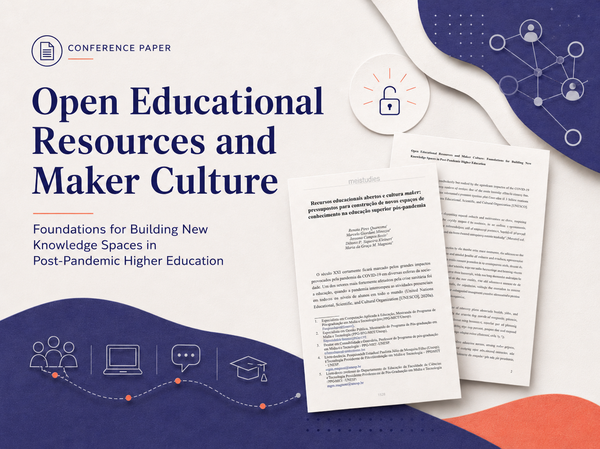
Reviewing literature and translating research findings into papers, reports, protocols, and other research outputs.
Human-Computer
Interaction
Cognition &
Information Design
Educational
Technology
Public-Interest
Technology
Background spanning education and public-interest technology
Ability to translate research insights into practical design decisions and recommendations
A human-centered perspective on learning technologies and digital systems
Hands-on experience with digital platforms in educational and government contexts
Experience working with multidisciplinary teams
Experience conducting literature reviews, qualitative research, and communicating findings in academic and technical formats

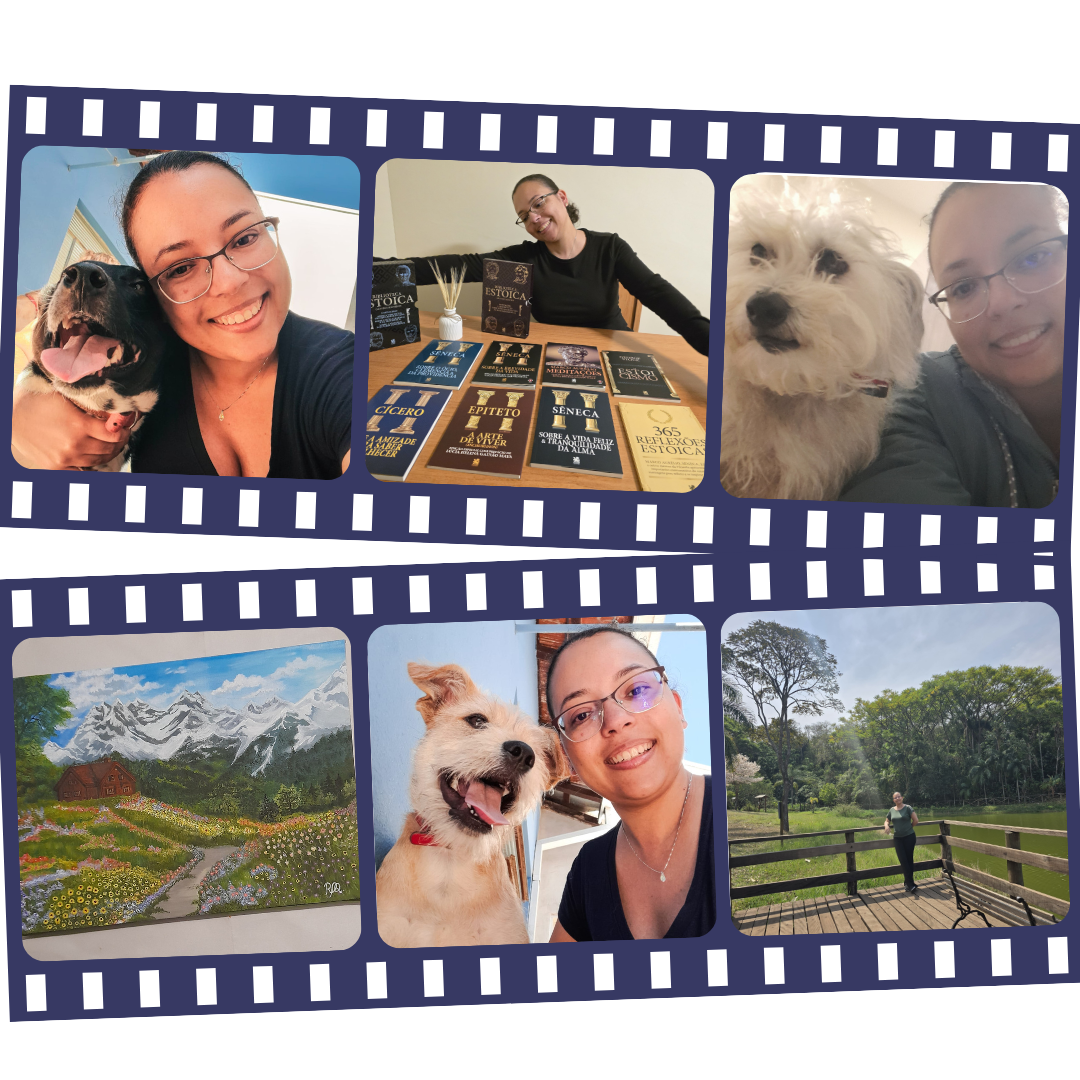
I enjoy painting, hiking, and learning about history and philosophy. I also love spending time with my dogs, who are a big part of my life. 🐾