Curriculum Development & Program Reviews
Supported curriculum structuring, course documentation, and program review processes.
Helped align academic proposals with institutional policies, regulatory requirements, and program needs.
Experience across academic administration, regulation, and institutional governance
Over nearly a decade at one of Brazil’s largest public universities, I saw how bureaucratic complexity and fragmented information can create unnecessary barriers. In my work, I approached policies, procedures, and services from a people-centred perspective, leading initiatives to reduce administrative friction and bridge the gap between complex university structures and the people navigating them.
Bringing a people-centred perspective to academic administration, regulation, and institutional governance.
Supported curriculum structuring, course documentation, and program review processes.
Helped align academic proposals with institutional policies, regulatory requirements, and program needs.
Contributed to accreditation and reaccreditation processes by preparing documentation and organizing institutional evidence.
Supported compliance with external requirements and internal academic standards.
Initiated and supported revisions of academic regulations, policies, and procedures.
Helped turn complex regulatory requirements into clearer and more consistent administrative practices.
Served as a member of collegiate bodies and advised undergraduate program councils.
Supported deliberation, documentation, and implementation of collective academic decisions.
Served as an ombuds and led the restructuring of unit-level ombuds services, standardizing their administrative workflows.
Improved how concerns were received, assessed, referred, and followed through within the university unit.
★ FEATURED INTERVENTION
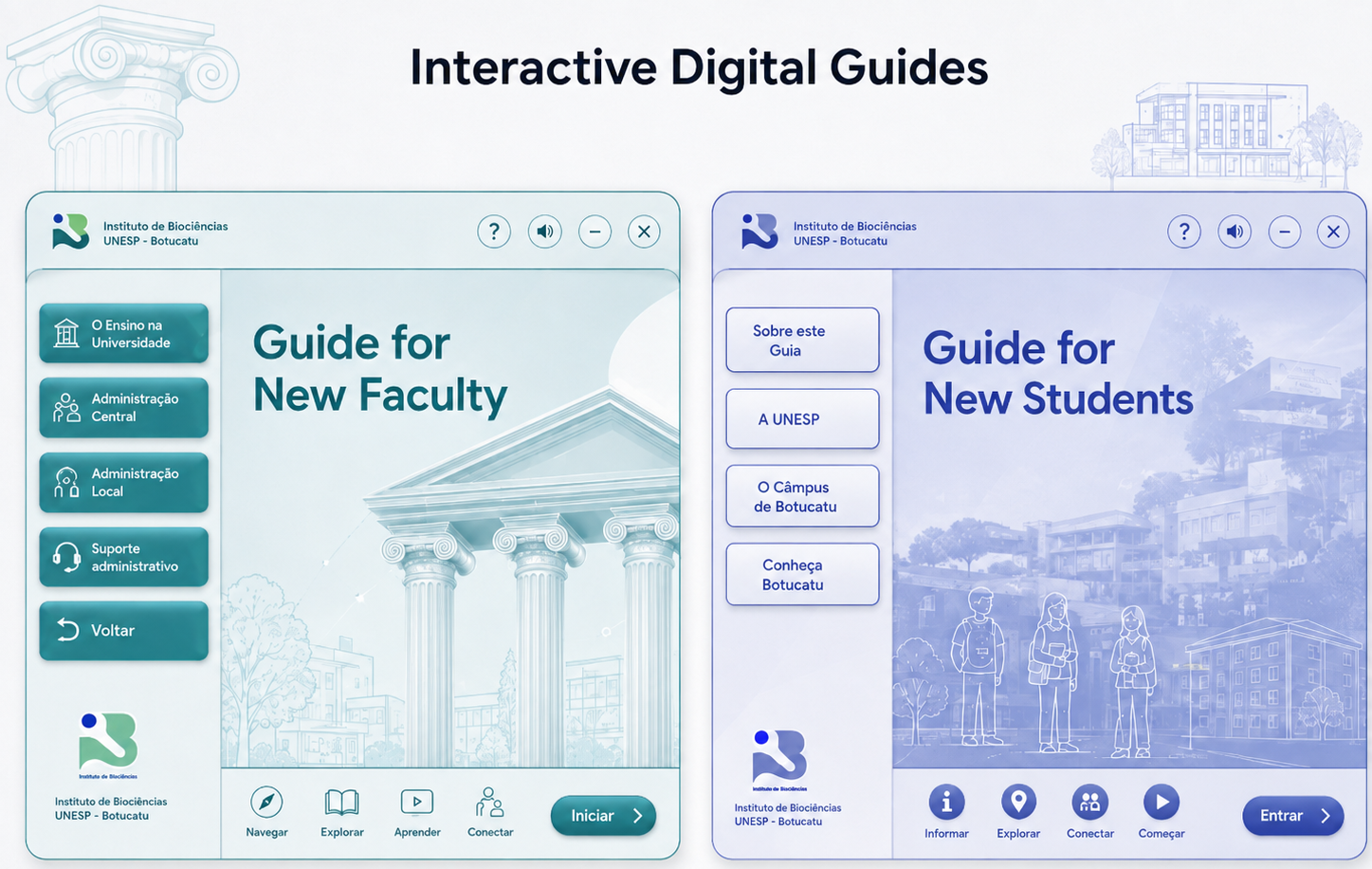
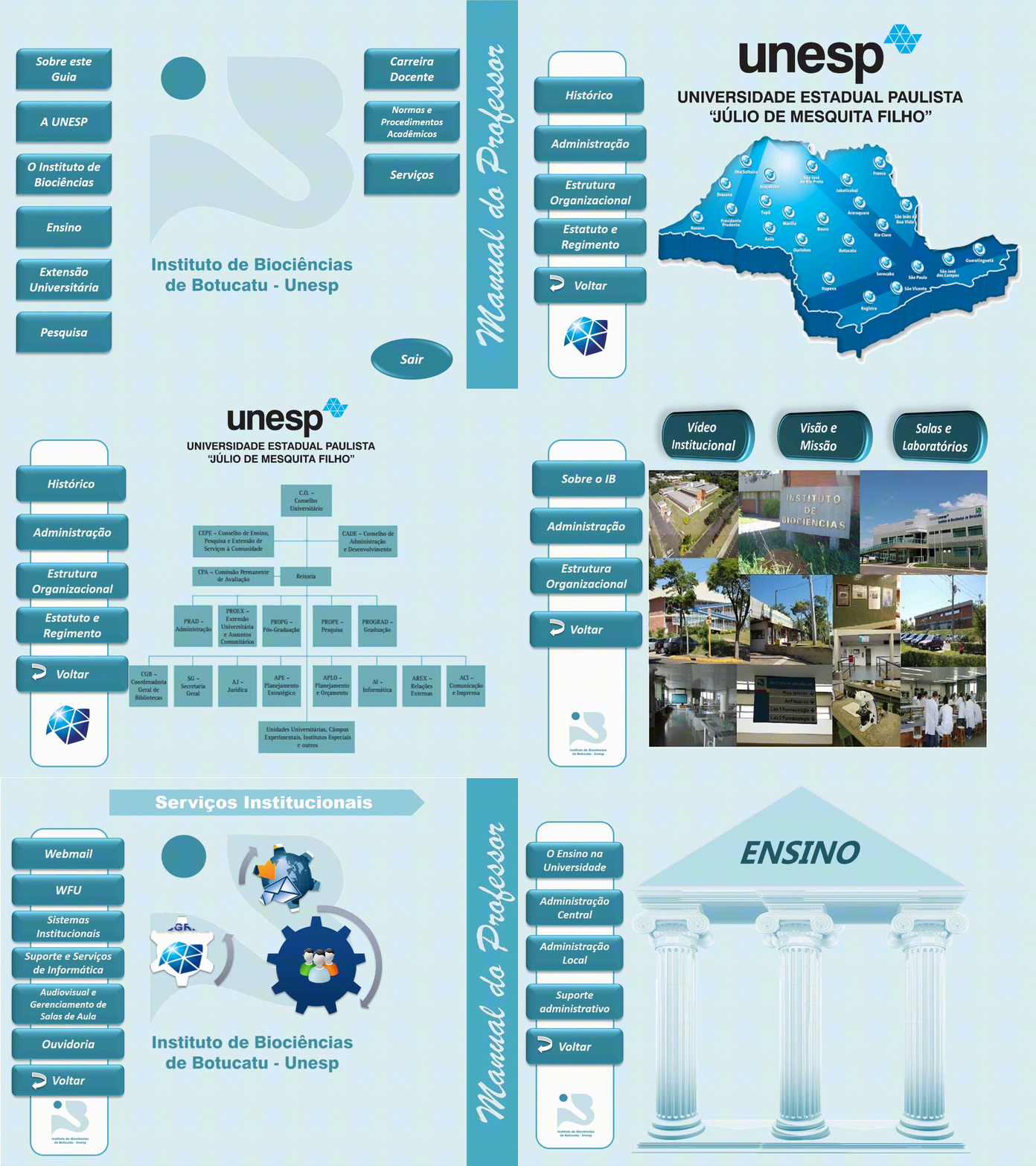
Designed offline-first knowledge repositories to reduce bureaucratic friction for 620+ students and faculty.
New faculty members and students needed to understand university structures, services, responsibilities, rules, and procedures distributed across multiple departments and institutional documents.
The information existed, but it was fragmented across different units and documents and organized primarily from an administrative perspective rather than around the needs of people entering the university.
I gathered, organized, prioritized, and structured institutional information into practical interactive guides tailored to the needs of new faculty members and students.
Working across academic regulations, shared governance, and institutional accountability gave me a systems-level understanding of how public institutions operate through policies, procedures, services, and everyday interactions. Developed through my work at a public university, this perspective now informs how I design and evaluate digital systems grounded in institutional realities and the needs of the people they serve.